Choosing a Destination and Season
Norway is vast. Do not attempt to see every fjord in one week. Select one primary region (e.g., Sognefjord, Hardangerfjord, or Geirangerfjord) and base your stay there. This minimizes driving fatigue and maximizes actual exploration time.
Season Selection
Your travel window dictates your options.
- May to August: Peak season. Roads are clear. Ferries run constantly. Tourist facilities are fully open. Book accommodation months in advance.
- September to October: Autumn colors. High precipitation. Ferry schedules reduce. Certain mountain roads begin closing for winter.
- November to April: Winter operations. Many rural hotels close entirely. Scenic routes shut down. Focus on major towns or dedicated winter-activity lodges.
Road Travel and Transport
Driving is the most effective way to explore the fjords. The roads are heavily engineered with tunnels and bridges. Follow speed limits strictly; enforcement is rigorous. Pay attention to car ferry routes. Ferries are part of the highway system. You drive on, pay via automated plate reading, and drive off.
Public transport is viable but rigid. Express buses follow main corridors. Train networks only touch the edges of the fjord region. If using public transport, position your hotel near major transport hubs.
Weather and Outdoor Planning
Weather in the fjords changes rapidly. You can experience heavy rain, bright sunshine, and thick fog in a single afternoon. Always check local meteorological data before hiking. Do not start long alpine hikes late in the afternoon.
Practical Packing Checklist
Functional clothing is mandatory. Leave formal wear behind; Norwegian hotel dining rooms accept smart-casual outdoor wear.
- Windproof and waterproof outer shell jacket.
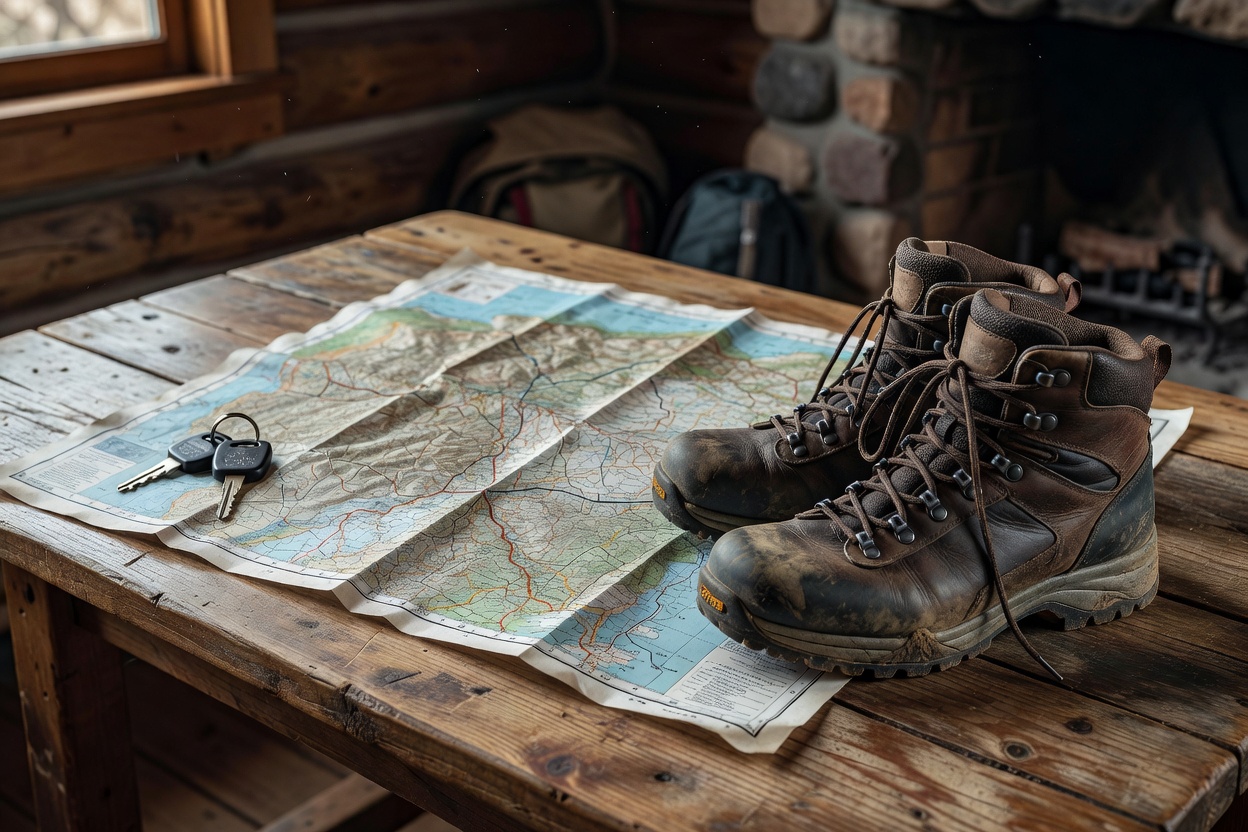
- Waterproof hiking footwear (not sneakers).
- Merino wool base layers (even in summer).
- Daypack for carrying layers and water.
- Adapter for European Type C/F plugs.
Trip Timing and Backup Plans
Plan check-in times around dinner service. If a hotel serves dinner from 18:00 to 20:00, arriving at 21:00 means you will not eat. Build buffer time into travel days. Landslides, tunnel maintenance, or missed ferries can instantly add three hours to a journey.
Good For / What To Know
Good for: Structuring a realistic, safe, and comfortable itinerary.
What to know: Over-planning daily mileage is the most common error. Limit driving to 3-4 hours maximum per day to allow time for stopping, viewpoints, and actual enjoyment of the landscape.