Hotel Categories
Norwegian fjord accommodation falls into specific geographic categories. The landscape dictates the architecture and the guest experience. Select the category that aligns with your travel goals.
Waterfront Properties
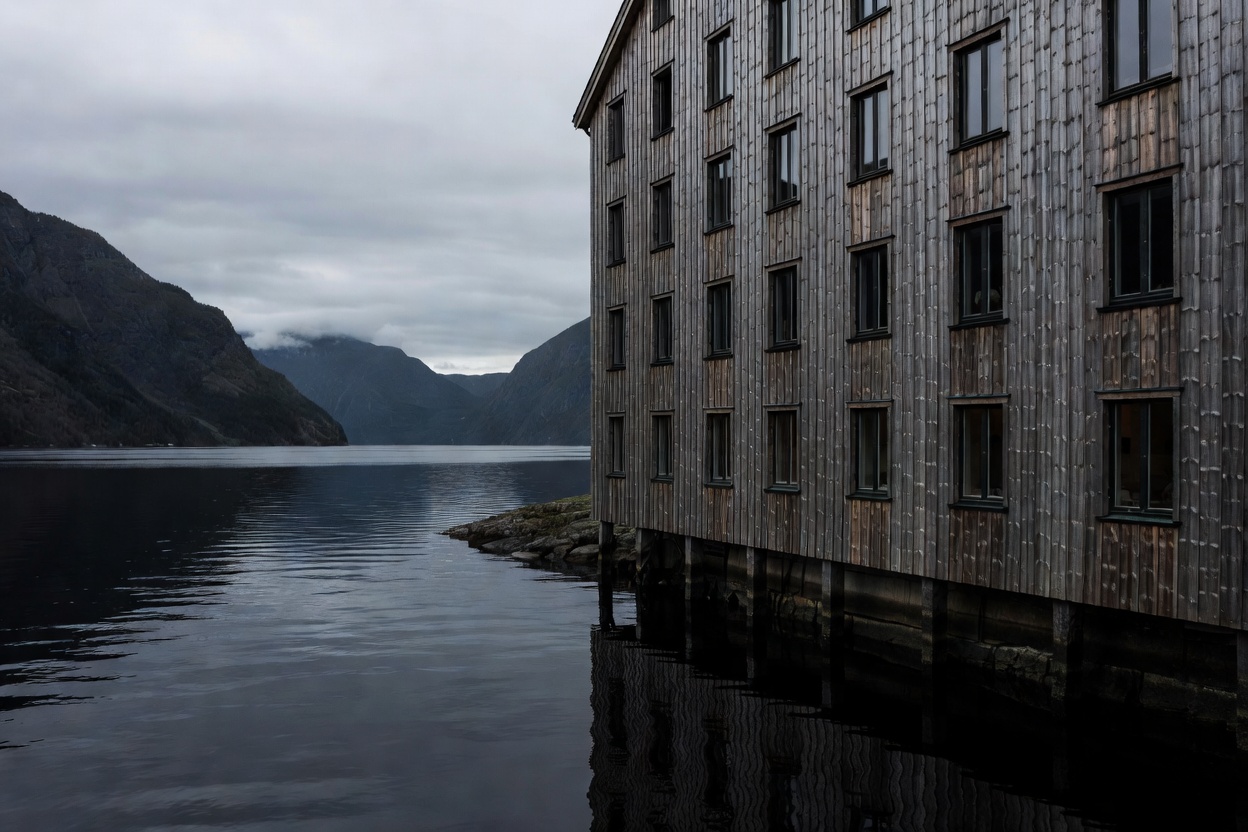
These hotels sit at sea level. They often occupy historical transport hubs or modern architectural spaces built into the shoreline. Proximity to the water provides immediate access to boat tours and kayak rentals. The trade-off is often the depth of the view; being at the bottom of a steep valley means less direct sunlight and a narrow field of vision compared to higher elevations.
Mountain Hotels
Located on roads above the fjords or near historic mountain passes. These properties offer expansive panoramic views. They receive more daylight. Access requires driving steep winding roads. Facilities are usually self-contained because nearby services are minimal. Winter access can be restricted by road closures.
Countryside and Valley Accommodation
Situated inland from the immediate fjord edge. Often surrounded by farmland, rivers, and waterfalls. These hotels provide quieter environments than busy waterfront towns. They serve well as hiking basecamps. Fjord views are absent or distant, replaced by agricultural and mountainous scenery.
Fjord-Facing Accommodation
Room orientation heavily impacts pricing and availability. A fjord-facing room implies a direct line of sight to the water. In narrow fjords, this also means facing the opposite mountain wall. Standard rooms often face the back of the property, overlooking parking areas, roads, or immediate forest lines.
Comparison: Waterfront vs. Elevated Locations
- Waterfront: Easy walk to ferries. Immediate town access. Shorter daylight hours in narrow fjords. Higher noise levels from boat traffic.
- Elevated: Sweeping views. Longer daylight exposure. Requires a car. Isolated from town services. Quieter environments.
Hotel Access and Privacy
Access infrastructure varies. Small independent hotels may lack elevators, relying on narrow wooden staircases. Larger historic hotels typically offer full accessibility. Privacy in waterfront town hotels can be compromised by public walkways running between the hotel and the water. Elevated properties generally offer higher privacy levels.
Seasonal Differences
Summer brings maximum occupancy, midnight sun, and full facility operation. Autumn introduces rain, lower prices, and shorter days. Winter transforms the landscape but limits access; many fjord hotels close entirely from October to April. Spring offers melting snow and powerful waterfalls, though higher hiking trails remain blocked.
Good For / What To Know
Good for: Nature-focused travelers, road-trippers, and landscape photographers.
What to know: Fjord hotels prioritize location over standard luxury metrics. Expect premium pricing based on the view rather than the room square footage.